Why Local Supply Chains Matter in the Pilbara
(What I said at the Hedland Economic Forum and what I still believe into 2026)
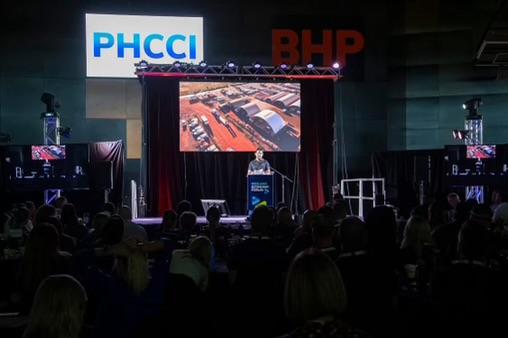
I spoke at the Hedland Economic Forum late last year. I went into it thinking it would be a good day. Shake a few hands, have a chat, then get back to work.
But I didn’t expect the feedback that came after … and continued on … for months.
Not just from people in Port Hedland either. People from other Pilbara towns reached out and said the same thing.
They said the message landed. It landed because it’s the reality of doing business out here.
And the more I’ve thought about it, the more I reckon it’s worth putting down properly.
Because these conversations shouldn’t only happen once a year in a conference room. They need to keep happening, especially if we want the Pilbara to stay strong through whatever the next cycle throws at us.
I’m a mechanic by trade, not a professional speaker, so I didn’t expect it to hit the way it did. But it did. And I’ve had blokes from other towns stop me and say, “That’s exactly what it’s like out here.”
So I wanted to write it down. Not as a recap of one event, but as a reminder of something we can’t afford to forget in the Pilbara. The reality is our supply chains, our businesses, and our towns only stay strong when we back local capability and build relationships that hold when things get tough.
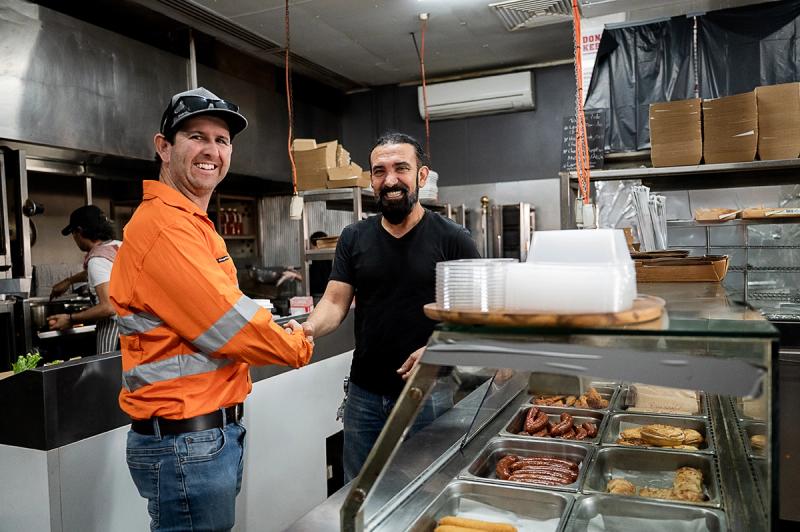
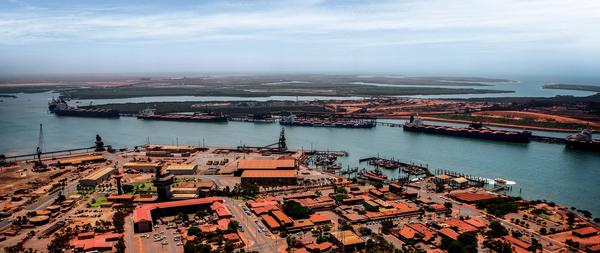
The Pilbara is a different place to run a business. We live in a region where small disruptions can turn into big problems fast. Where supply chains stretch long. Where downtime hurts. And where the people who keep things moving are often the ones standing right in front of you.
One line I said on the day has stuck with me.
“It starts with milk, but it ends with millions.”
If you live and work in the Pilbara, you already know what I mean.
A small delay can turn into a big problem quickly. A missing part, a flight cancelled, a supplier who can’t get here, a crew that’s stretched thin.
The ripple effect is real.
And that’s why local supply chains matter.
In the Pilbara, supply chain is not a spreadsheet
When people talk about supply chains, it can sound like something you manage from an office. Like it’s mainly logistics, procurement, planning.
But out here, supply chain is physical. It’s real.
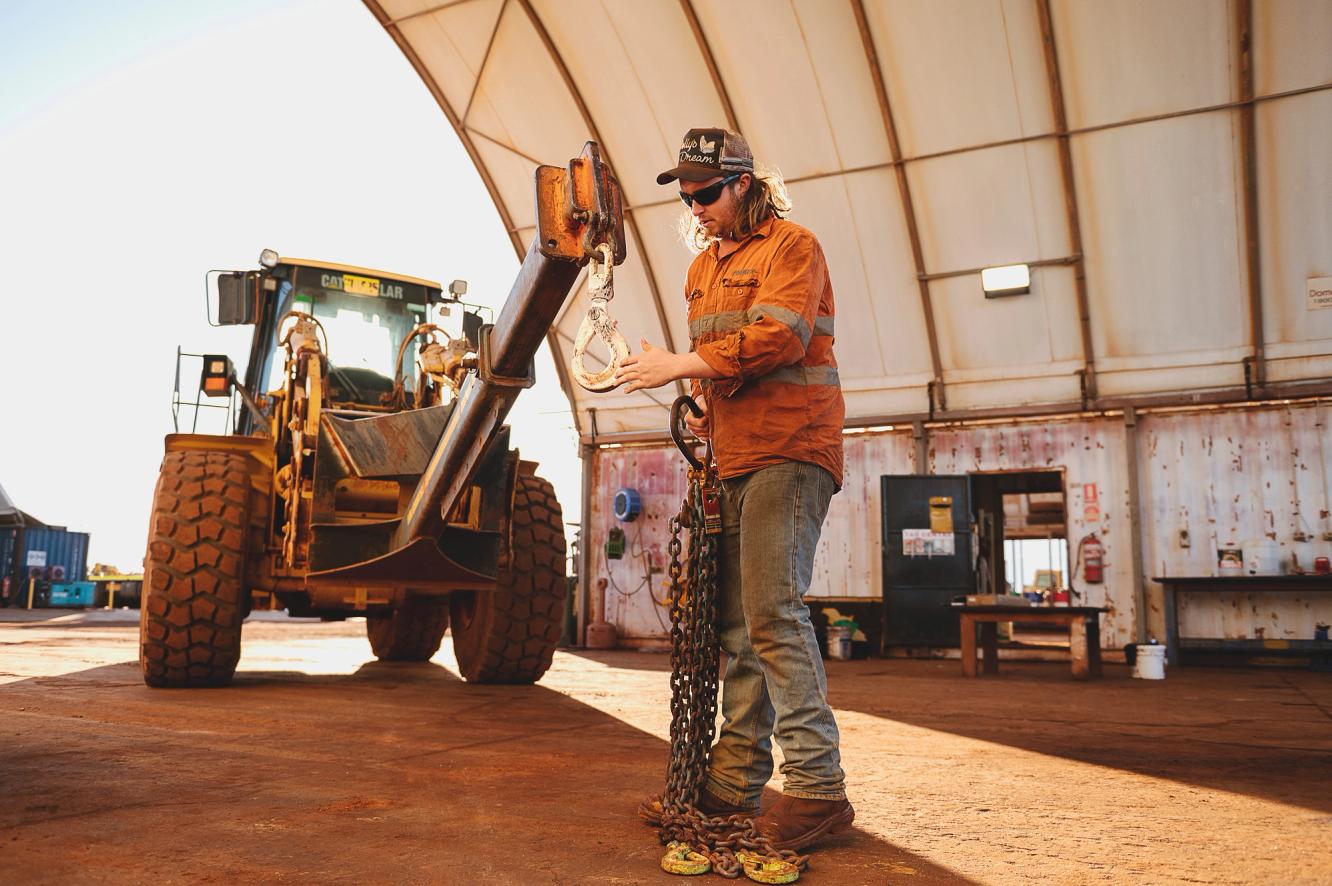
It’s a dozer down in forty five degree heat. It’s a grader waiting on a part. It’s an operator losing a shift. It’s a project behind. It’s production screaming at maintenance when a shutdown window is closing.
And when you’re running heavy equipment in a region like this, you learn pretty quickly that you can’t solve everything with a decentralised / city based panel list.
Because the truth is:
“The difference between a shutdown and a ship-out isn’t price, it’s presence.”
When things go wrong, and they always do, you don’t call the panel. You call the people you trust. The ones who are close enough to actually do something about it. The ones who show up.
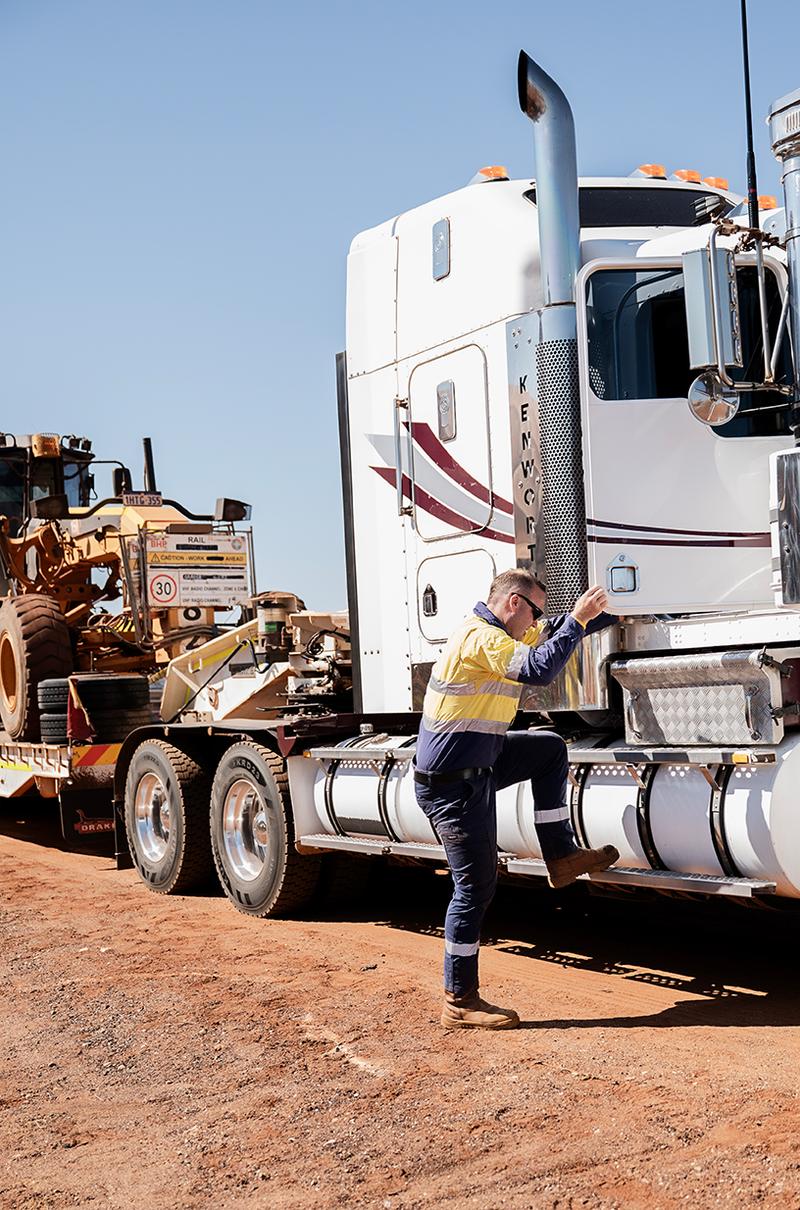
Local isn’t a luxury, it’s a lever
We hear “support local” all the time. And sure, I believe in it. But I want to say this properly because it gets misunderstood.
Local isn’t just charity. Local isn’t just optics. Local isn’t just a nice thing to do when the year is good.
“Local isn’t a luxury, it’s a lever.”
Choosing local capability is operational strategy. It reduces risk. It improves response times. It protects uptime. It strengthens the region. It makes the whole system more resilient.
That’s why I get frustrated when local businesses are treated like the “nice option” instead of the smart option.
Because I can tell you from experience: “We’re not a cost centre, we’re risk mitigation.”
You can optimise for price. Or you can optimise for presence. In the Pilbara, presence wins.
And continuity is not something you can tender for.
“Continuity isn’t something you can tender for, it’s something you build.”
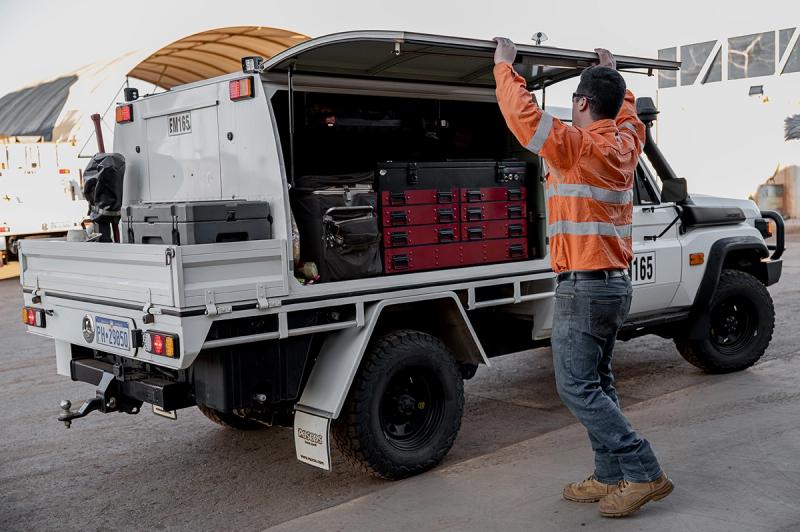
Local capability is already here and it’s stronger than people think
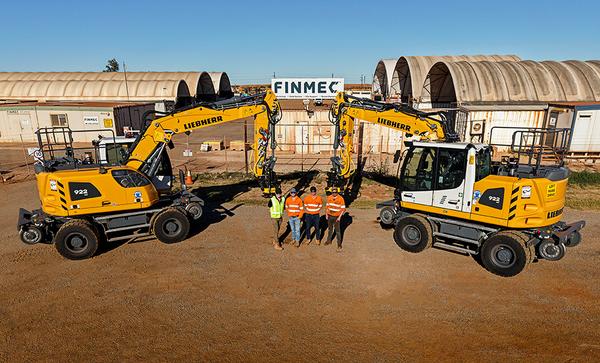
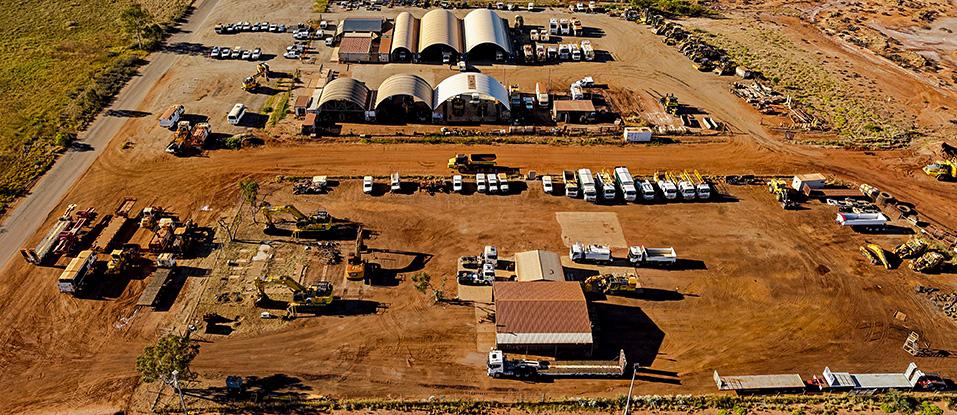
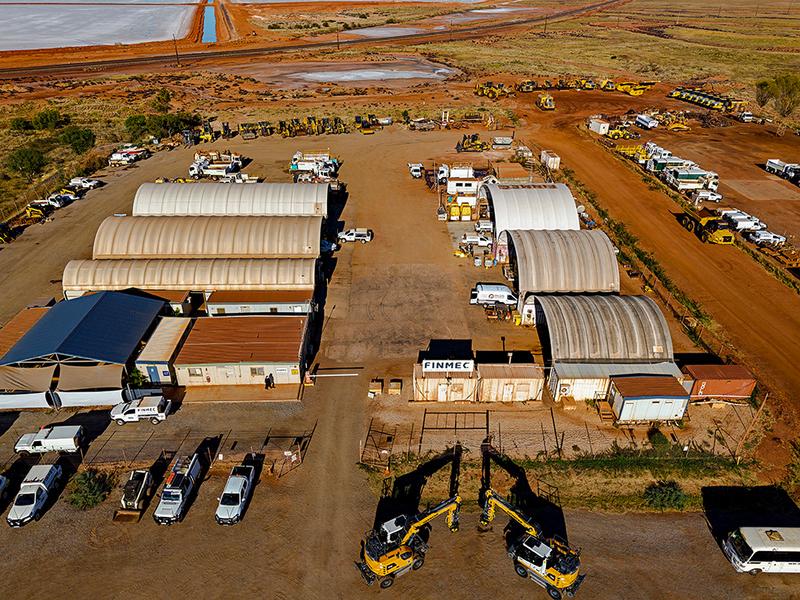
I’m a mechanic by trade. I’ve been in Port Hedland a long time and FINMEC has been operating here for nearly two decades.
We’ve worked through cyclones, boom years, bust years, workforce shortages, housing crises, you name it. If you run a business here long enough, you learn how to adapt fast, keep your head down, and keep delivering even when the whole place is under pressure.
And you also learn something else. “Local businesses aren’t token, they’re infrastructure.”
This region doesn’t run without the local operators who are here every day. The businesses who can respond fast. The ones who are accountable because their reputation is tied to the town. The ones who know what breaks in fifty degree heat because we’ve lived it.
Because “that’s the kind of knowledge you can’t outsource.”
The problems we prevent don’t show up on dashboards
A lot of the value of local capability is invisible. That’s the problem.
When things go right, nobody notices.
But when something goes wrong, suddenly everyone wants the local team.
That’s why I said at HEF:
“The problems we prevent never show up on your dashboard, but they show up in your bottom line.”
Good maintenance is invisible. Strong relationships are invisible. Fast response is invisible.
Until it isn’t.
And then you realise why local capability is not a “nice extra”. It’s the safety net.
In a resource town, community investment isn’t optional
We live in a resource town. That means boom and bust. Highs and lows. Pressure on small businesses, families, workers. That’s just part of the package.
In towns like Port Hedland, community and business are not separate things. They’re the same system.
That’s why sponsorship isn’t something you do when it’s convenient. It’s part of doing business properly out here.
Because “social licence isn’t earned in a PDF, it’s earned in the canteen line at junior footy.”
You earn trust by showing up, supporting the community, and backing the people who live here. Not by doing a campaign once a year and hoping it looks good.
And that’s what people sometimes forget about local businesses.
“When the boom winds down and the crews go home, we’re still here.”
If we want a strong Pilbara, we need to build things to last
I’ve always believed in building things to last. That applies to businesses, relationships, and communities.
If we want a more resilient Pilbara, we need to start thinking beyond contracts and project cycles. We need partnerships that strengthen local capability instead of bypassing it.
Because the Pilbara isn’t just a worksite. It’s someone’s home. It’s where families are raised. It’s where businesses like ours put down roots and keep going through everything the region throws at us.
That’s why I said: “Legacy isn’t built in boardrooms, it’s built in small towns, one solved problem at a time.”
That’s what I want for the Pilbara. Capability that grows over time. Businesses that are stable. Communities that can ride out the storm when the cycle turns again.
A message for 2026
I’m not writing this to sell anything. I’m writing it because it matters.
If you operate in the Pilbara, you rely on the region. And if you rely on the region, you should be investing in the people and businesses who keep it running.
Local supply chains create stability. Local capability reduces risk. Local businesses hold the chain together when things go wrong.
Because we’re not the bottom of the chain.
“We don’t just exist in the supply chain, we anchor it.”
Finally, a big ‘thanks’
A genuine thank you to the Port Hedland Chamber of Commerce and Wrapped Creations for hosting the Hedland Economic Forum and creating the space for these conversations. And to the other local business owners and speakers who shared their perspective.
If you want to keep the conversation going about what a stronger local supply chain looks like in the Pilbara, I’m always up for a chat.
For more perspectives on local capability, community and long-term resilience in the region, explore our latest blogs here:
[View All Blog Posts →]